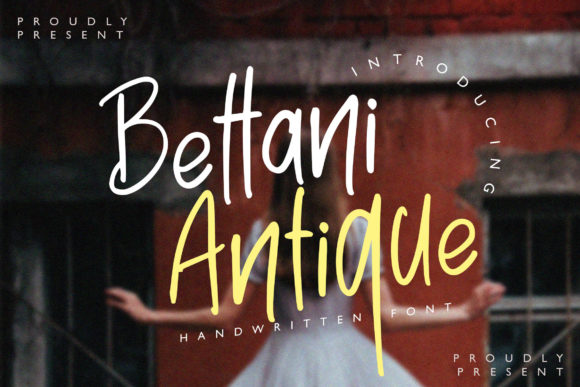
Elevate Your Web Design with Open Book Font
Open Book is a premium handwritten font that brings a touch of elegance and personality to any digital project. Its well-balanced, distinct letters make it a versatile choice for web designers and digital creators. Whether you're crafting a creative portfolio, an online store, or a brand-focused landing page, Open Book can enhance your design's visual appeal and readability.
Visual Characteristics and Personality
Open Book stands out with its delicate and elegant style, making it a perfect fit for projects that require a personal, handcrafted feel. The font's balanced and flowing letters create a natural, organic look, which can be particularly effective in establishing a warm and inviting brand tone. This makes it ideal for brands that want to convey a sense of authenticity and creativity.
Using Open Book in Web Design
When integrating Open Book into your web designs, consider its primary use cases:
- Website Headers and Hero Sections: Use Open Book for the main title or tagline to grab attention and set the tone for the entire site. Its distinctive style can make a strong first impression, especially on creative portfolios and boutique online stores.
- Landing Pages and Call-to-Action Areas: Incorporate Open Book for short, impactful phrases and buttons. The font's readability and unique style can help draw users' eyes to key action points, enhancing conversion rates.
- Online Shop Banners and Product Descriptions: Apply Open Book for product names and special offers. Its elegant appearance can add a touch of luxury and sophistication, making products more appealing to potential customers.
Readability and Visual Hierarchy
While Open Book is visually striking, it's essential to use it judiciously to maintain readability. For longer text, pair it with a clean, simple sans serif font for body copy. This combination ensures that the content remains accessible and easy to read, even on smaller screens and in responsive layouts.
For mobile devices, consider using Open Book at a slightly larger size to ensure clarity. Additionally, test the font on both light and dark backgrounds to ensure it remains legible. When used as an overlay on images, ensure there is enough contrast to keep the text visible.
Font Pairing and Brand Identity
To create a cohesive and professional brand identity, pair Open Book with complementary fonts. For example, combine it with a modern sans serif like Helvetica or Arial for a contemporary, clean look. Alternatively, use a classic serif font like Times New Roman for a more traditional, editorial feel. This mix of styles can help establish a strong and consistent visual hierarchy.
Open Book is also suitable for logo design, where its unique and elegant style can become a memorable part of your brand's identity. Consider using it for short, impactful text such as taglines or company names.
Practical Considerations and Licensing
Before incorporating Open Book into your projects, check the included styles, file formats, and webfont availability. Ensure the font supports the necessary weights and alternates for your specific needs. Additionally, verify multilingual support if your audience spans multiple language regions.
It's crucial to understand the commercial licensing terms for Open Book. Make sure you have the appropriate license for using the font in websites, client projects, online stores, and other digital assets. This will help you avoid any legal issues and ensure that your brand remains professional and compliant.
By thoughtfully integrating Open Book into your web designs, you can create a visually appealing and engaging experience that resonates with your audience. Its elegant and versatile style makes it a valuable asset for any digital creator looking to elevate their brand and design projects.